
How to Master a 30 Day No Spend Challenge and Reset Your Money Habits
Kickstart your savings goals and break impulse spending habits. Learn the rules, allowed expenses, and preparation steps for a successful 30 day no spend challenge.
Work Hours Price Converter
Test impulse purchase temptations against your actual working hours.
Have you noticed how easy it is to spend money mindlessly? A tap on your phone orders takeout. A click online buys clothing you do not need. A quick stop at a coffee shop costs 7 dollars before you even start your workday.
These small, habitual purchases add up fast. More importantly, they create a constant dopamine loop that keeps you dependent on retail therapy for entertainment.
When you need a fast financial reset, nothing works better than a 30 day no spend challenge.
In this guide, you will learn what a no spend challenge is, the rules to set before starting, allowed vs forbidden expenses, and how to stay motivated until the finish line.
What Is a 30 Day No Spend Challenge?
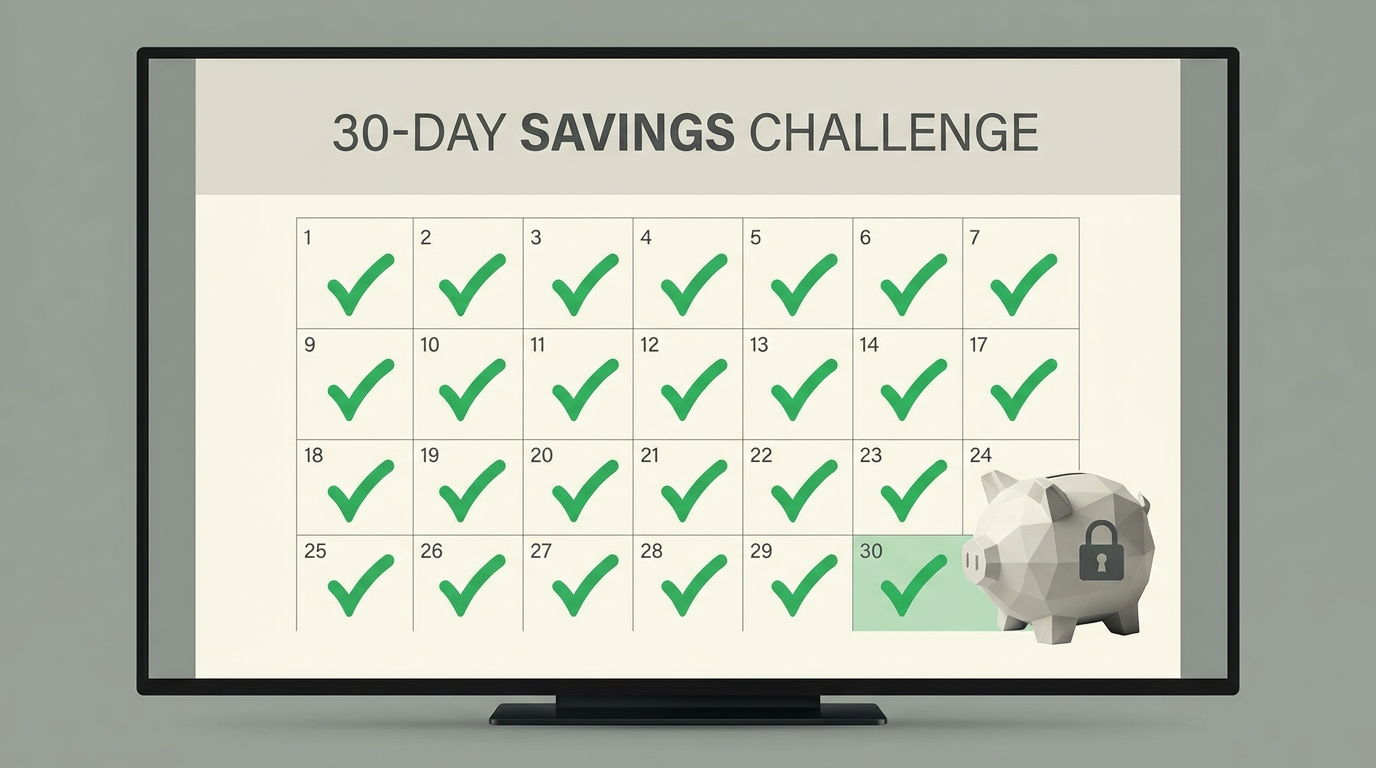
A 30 day no spend challenge is a short term financial sprint where you pause all non-essential spending for one full month.
You still pay your essential housing, utility, grocery, and healthcare bills. You simply stop spending money on discretionary wants like dining out, takeout, clothing, impulse shopping, and paid entertainment.
Think of it as a digital detox for your wallet. It resets your spending baseline, forces you to appreciate what you already own, and frees up hundreds of dollars in extra cash fast.
Why a Temporary Freeze Changes Your Habits
A no spend challenge is not meant to be a permanent lifestyle. Restricting all fun forever leads to burnout.
Instead, a 30 day challenge acts as a powerful behavioral reset for three key reasons:
1. Breaks Mindless Impulse Loops
When buying things is off the table, you realize how many purchases you make out of boredom or stress rather than real need.
2. Boosts Your Savings Account Fast
The average person saves anywhere from 300 to 1000 dollars during a single no spend month. You can dump that saved cash straight into an emergency fund, high yield savings, or debt payoff.
3. Rediscovers What You Already Own
When you cannot buy new things, you start eating food already sitting in your freezer, wearing clothes sitting in the back of your closet, and reading books on your shelf.
The Official Rules: Needs vs Wants
To run a successful challenge, you must clearly define your rules before day one.
Allowed Expenses (The Needs)
- Rent or mortgage payments.
- Electricity, water, internet, and essential utilities.
- Basic groceries cooked at home (not specialty luxury snacks).
- Prescription medications and healthcare necessities.
- Gas or public transit for commuting to work.
Forbidden Expenses (The Wants)
- Restaurant meals, food delivery, and coffee shop runs.
- New clothing, shoes, accessories, or cosmetics.
- Home decor, electronics, and kitchen gadgets.
- Online shopping and impulse Amazon orders.
- Paid entertainment like cinema tickets, concerts, or paid events.
4 Preparation Steps Before Day 1
Preparation is the secret to completing 30 full days without quitting. Complete these four steps before your start date:
Step 1: Pick Your Start Date and Set a Goal
Choose a specific start date. The beginning of a calendar month works great. Define a clear goal for the money you will save, such as building a 500 dollar emergency fund.
Step 2: Unsubscribe and Delete Shopping Apps
Remove saved credit card info from online stores. Delete shopping apps from your phone. Unsubscribe from promotional retail emails that send daily sales alerts.
Step 3: Meal Plan with Existing Pantry Items
Audit your fridge, freezer, and pantry. Plan simple meals using ingredients you already own so your grocery shopping trips are quick and minimal.
Step 4: List Free Activities to Enjoy
Brainstorm a list of free fun activities to do during the month:
- Movie nights at home with popcorn.
- Park walks, hiking trails, and bike rides.
- Reading books borrowed from your local library.
- Board game nights or potlucks with friends.
How to Handle Exceptions Without Failing
Life happens. You might have a pre-scheduled family birthday or an unavoidable doctor visit during your challenge month.
The key is establishing pre-planned exceptions before the month starts. If an expense is planned and approved in advance, it does not count as breaking the challenge.
However, if an unexpected impulse temptation pops up, use the 48 hour rule: Wait 48 hours before buying. In 95 percent of cases, the urge to buy disappears completely.
How EasyBudget Helps You Stay on Track
You can use EasyBudget tools during and after your challenge:
- Use our Subscription Audit Calculator to cut recurring app leaks before your challenge starts.
- Use our Guilt Free Spending Allowance Calculator to set your post-challenge fun budget once the month ends.
- Use our Work Hours Price Converter to test impulse temptations against your actual working hours.
Summary
A 30 day no spend challenge proves to yourself that you are in total control of your money, not the other way around.
Pick your start date today, set your rules, and see how much cash you can save in 30 days.
Written by EasyBudget Team
Fact-Checked • 2026 EditionOur editorial team develops free, privacy-first personal finance calculators and independent money management guides. We cross-reference all math against federal savings guidelines and macroeconomic benchmarks.